



Exploring the psychological triggers that influence gambling behavior in casinos
The thrill of gambling is often driven by the allure of potential rewards. Players are drawn to the prospect of winning large sums of money, which creates a compelling psychological incentive to engage in gaming activities. This heightened sense of reward can trigger the release of dopamine, a neurotransmitter associated with pleasure and reinforcement. As players win, even small amounts, the brain rewards them, reinforcing the desire to continue playing in hopes of achieving further success. Many find themselves exploring non gamstop betting sites to enhance their options and experience.
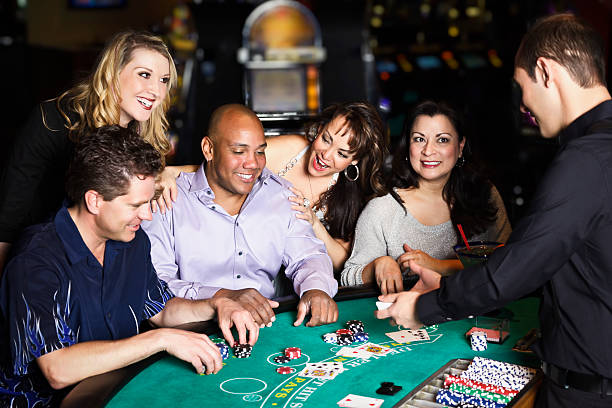
This risk-reward dynamic is amplified by the environment within casinos. The atmosphere is meticulously designed to create a sense of excitement and urgency. Bright lights, engaging sounds, and even the smell of fresh cocktails contribute to an immersive experience that keeps players engaged and motivated to take risks. This carefully crafted environment plays on psychological triggers that make it difficult for individuals to walk away, even when they are experiencing losses.
Social dynamics play a significant role in influencing gambling behavior. Many individuals are drawn to casinos not only for the games but also for the social interactions that accompany them. The presence of friends or fellow gamblers can heighten excitement and create a sense of camaraderie, encouraging individuals to gamble more than they might typically do alone. This social influence can create a bandwagon effect, where the enthusiasm of others leads to increased betting and participation.
Moreover, social media has magnified this phenomenon. Platforms showcasing glamorous images and stories of gambling success can entice individuals to try their luck in casinos. This external validation from peers can act as a powerful psychological trigger, prompting individuals to gamble to replicate the perceived success or social status shown online. The desire to belong and share experiences can significantly impact one’s gambling decisions.
Cognitive biases are inherent thinking patterns that can distort judgment and lead to irrational decision-making. In gambling, several biases come into play, influencing how individuals perceive risks and rewards. For instance, the illusion of control leads players to believe they can influence outcomes in games of chance, such as slots or roulette, despite the inherent randomness. This false sense of empowerment can drive people to gamble more often, thinking they can beat the odds.
Additionally, the availability heuristic plays a crucial role in gambling behavior. When players hear success stories from others or see frequent winners at the casino, they may overestimate their chances of winning. This distortion can lead to increased gambling, as individuals become overly optimistic about their potential for success. These cognitive biases highlight the psychological intricacies that can fuel gambling behavior in casinos.
Emotions significantly influence gambling behavior, acting as both motivators and deterrents. Many individuals turn to gambling as a form of escapism, seeking distraction from stress, anxiety, or sadness. In these instances, the casino environment can provide a temporary reprieve from negative emotions, allowing individuals to lose themselves in the thrill of the game. This emotional connection can reinforce gambling habits, making it a go-to coping mechanism.
Conversely, positive emotions can also play a role in gambling behaviors. Feelings of excitement or happiness can lead to increased risk-taking as players feel emboldened by their emotions. The interplay between emotional states and gambling creates a complex relationship, where individuals may find themselves caught in a cycle of chasing feelings through gaming, regardless of the financial consequences.

Understanding the psychological triggers that influence gambling behavior is crucial for both players and those working within the casino industry. By recognizing the underlying psychological dynamics at play, stakeholders can implement strategies to promote responsible gambling practices while enhancing the overall gaming experience. Awareness of these factors can lead to better decision-making and a healthier relationship with gambling.
As awareness of these psychological triggers grows, resources and platforms continue to emerge to support informed gambling choices. Players seeking to enhance their understanding of the gambling landscape can benefit from insights and comprehensive information available online. Embracing knowledge not only empowers individuals but also fosters a more enjoyable and responsible gambling environment.
Beginner's guide to mastering crypto trading with quotex
Complete Guide to CasinoDays: Understanding the History of Gambling
Казино ойыны кезінде психологиялық әсерлер chicken road арқылы табысқа жету жолдары
Gambling dünyasında maliyyə idarəetməsi uğurlu strategiyaların müzakirəsi
Mastering casino strategies An advanced guide by 11 Winner
Teknolojinin kumar oyunlarına etkisi nedir

Stay updated with the latest cleaning tips and exclusive offers.